I am Orchid, a non-binary kothi person from Bengal, deeply rooted in community work and advocacy for trans and queer rights. This article, Beyond Binaries, Toward Belonging, is about my journey of carving out a space for existence and dignity when both seemed exclusive. My reflections began years ago, shaped by countless moments of silent exclusion, sometimes from the very communities I thought were mine. In Bengal, where I live and work, I saw trans men and trans women often struggling to be included in each other’s spaces, and many left out due to caste, colour, or livelihood. This topic is vital to me because belonging is more than survival, it’s about thriving together. My journey began from a personal need to find acceptance and grew into a collective movement of creating inclusive, affirming spaces where no one is left behind.I want to remind that movement takes time, and it can start small.
When I first stepped into the transgender movement as a queer activist, I thought I would finally find a home—a place of acceptance and solidarity. But to my surprise, finding space within the movement itself was one of the toughest challenges I faced. These were my own people, yet I was differentiated, bullied, and even defamed simply because I chose not to transition. My identity as a non-transitioning transgender person was questioned constantly, and I was often misunderstood, judged, and excluded.
That period was deeply painful. I carried a heavy sense of suffocation, hopelessness, and self-doubt. Imagine seeking belonging among your own community, only to be told you do not fit in. It was a lonely journey, but I refused to let those external judgments define me. Even when acceptance was denied, I held on to my principles, my politics of community, and my belief that every person deserves space to exist as they are.
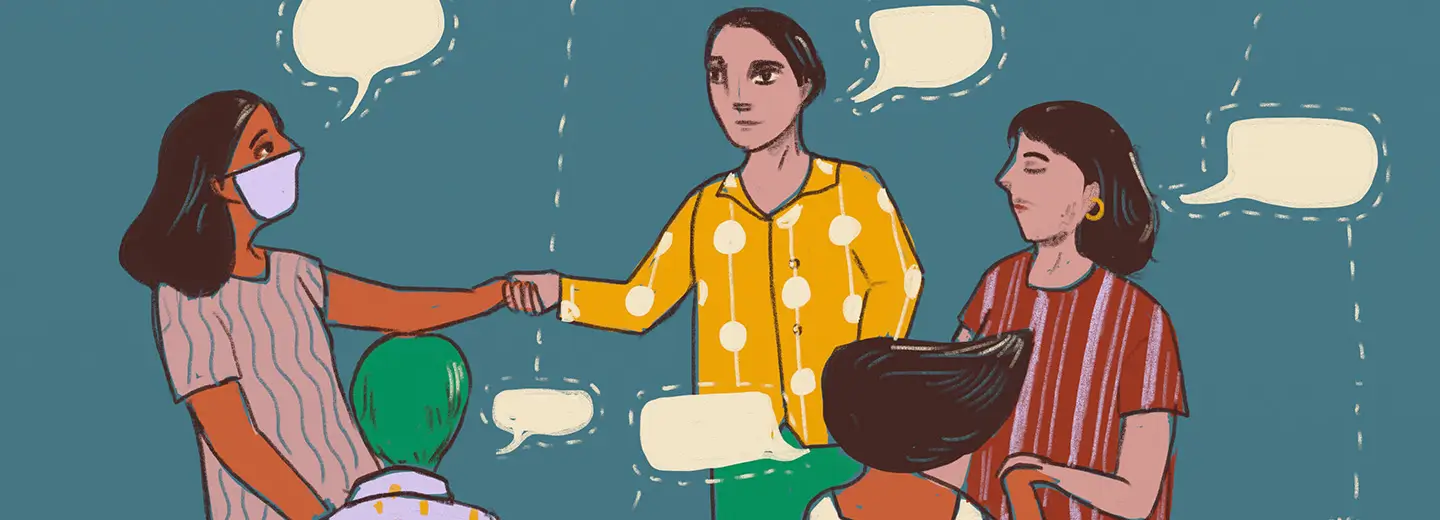
Slowly, through my work, I began to bend the strings of exclusion toward connection. I created initiatives that brought transgender men and women together—through workshops, dialogues, and shared spaces where empathy could grow. These were not easy efforts; they demanded persistence, vulnerability, and a belief that even the smallest spark of change can spread into something larger. Over time, some of the very people who once bullied or dismissed me began to shift. They moved from silence to support, from exclusion to empathy. That shift gave me the strength to forgive, to grow, and to continue building bridges where walls once stood.
What I learned is simple yet powerful: resilience lies in not letting external energies dictate your inner truth. Dedication, self-belief, and the courage to keep showing up can slowly transform even the hardest spaces. I want others to know that while times may be tough, we are tougher than those times. A small spark inside us—the spark of self-belief and belonging—is enough to light a fire of change. Keep that spark alive, and let it guide you.
Because beyond binaries, beyond divisions, lies the true essence of belonging—one that we can create together.
This journey taught me that belonging is not something we wait for others to grant us—it is something we create, nurture, and fight for. I realized that even in the face of rejection, empathy and persistence can slowly shift hearts and open doors. If I could do something differently, it would be to trust myself sooner and not allow external voices to drown out my own truth.
What I want readers to remember is that identity is never one-dimensional, and the struggle for recognition is not only about visibility but also about dignity, care, and respect. My story is just one of many, but it reminds us that small sparks of courage can grow into flames of collective change.
I invite you, the reader, to reflect on how you hold space for others—especially those who may not fit neatly into the categories society creates. Can you widen your circle of belonging? Can you be the one who chooses empathy over judgment?
Because the truth is this: our strength as a community, and as a society, lies in our ability to see beyond binaries and to embrace each other fully. Only then can we move toward real belonging, together.