My name is Imasha Perera, and I am a trans rights activist and labour organiser based in Colombo, Sri Lanka. I work closely with trans and queer workers through the Abhimana Workers Union. This article is about a journey—one that brought trans workers and trade union leaders into the same room to talk honestly about work, dignity, and survival.
I began thinking deeply about workplace justice after hearing repeated stories from trans people who were fired, harassed, or forced into informal work simply because of who they are. In a country where legal protections are limited and stigma is high, employment becomes a daily struggle. Through this project, supported by the Asia Pacific Transgender Network, we tried to change that reality by building knowledge, leadership, and solidarity. This journey reminded me that meaningful change often begins with conversation, courage, and collective care.
Trans and queer people in Sri Lanka are often pushed to the margins of the workforce. Many of us face discrimination at recruitment, harassment at workplaces, denial of benefits, and sudden termination without explanation. For some, especially trans women and trans sex workers, exclusion from formal employment becomes a lifelong cycle. This project was born out of those lived realities.
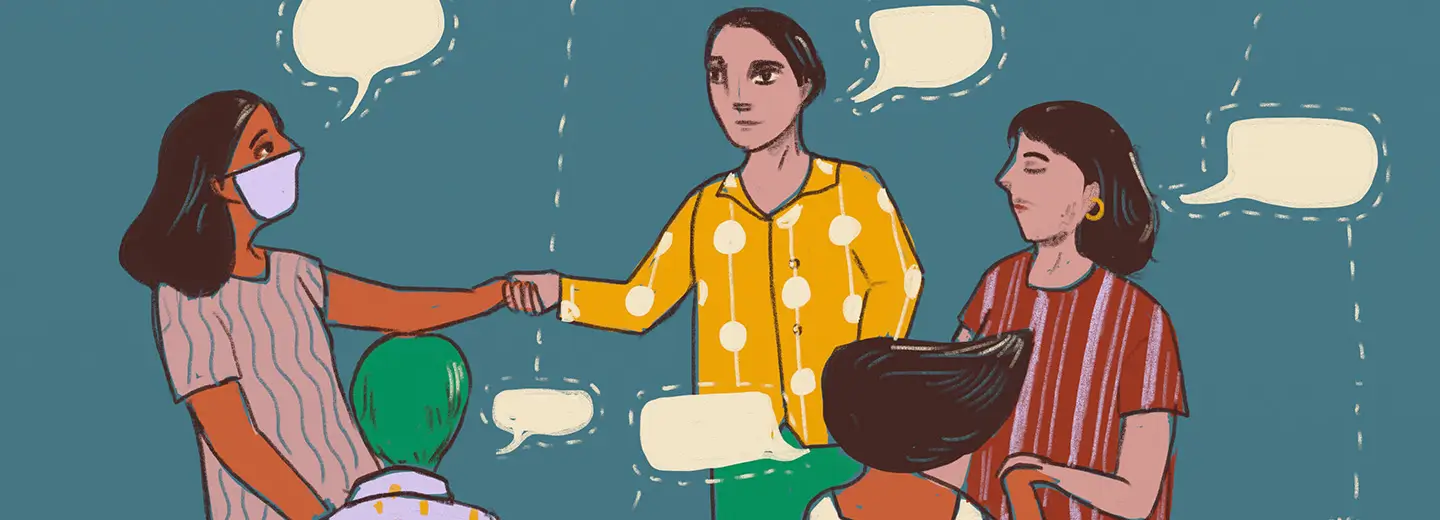
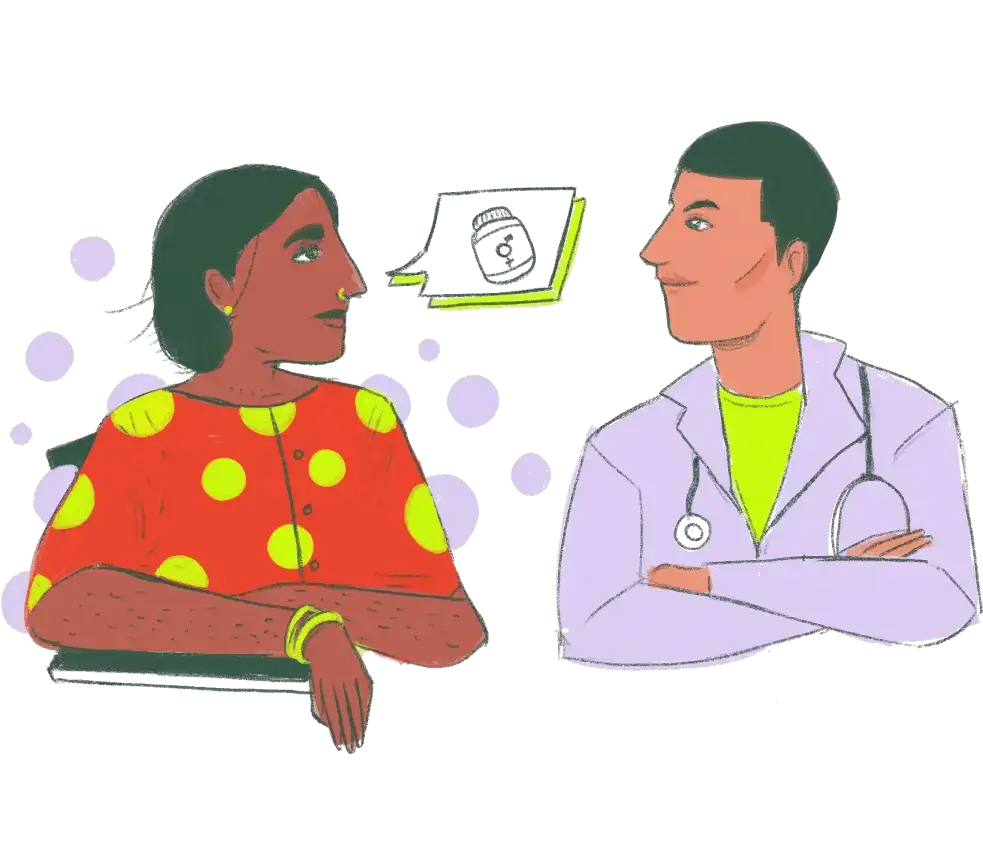
Through the Abhimana Workers Union, we implemented two key activities aimed at addressing these challenges. The first was a sensitisation workshop with trade union leaders, held in October 2025 in Colombo. Bringing union leaders into this space was both exciting and risky. Many had never directly engaged with trans communities before. Together, we discussed gender identity, workplace discrimination, and ILO Convention C190 on violence and harassment at work. What stood out was the openness in the room—union leaders asked difficult questions, reflected on their own practices, and began to see trans inclusion as part of their responsibility.
The second activity was a two-day residential capacity-building workshop for trans union members. Fifteen trans workers from different districts came together to learn about labour laws, union structures, EPF/ETF, and complaint mechanisms. For many participants, this was the first time they understood that they, too, had rights at work. The sessions were emotional, practical, and deeply empowering. People shared stories of exploitation and fear, but also hope.
One moment that stayed with me was the transformation of a trans woman sex worker who initially felt invisible and judged. As the workshop progressed, she found her voice—speaking confidently about workplace violence and exclusion faced by sex workers. By the end, she stood proudly alongside other trans participants, building solidarity across identities that are often divided.
Implementing this project was not without challenges. Internally, our union was going through leadership changes, and externally, rising hate speech made safety a real concern. We responded by prioritising collective decision-making, confidentiality, and trust. These choices allowed participants to engage freely without fear.
What this journey taught me is that change does not always begin with policy—it begins with people. When trans workers gain knowledge and unions gain understanding, new possibilities emerge. This project was not just about training sessions; it was about building a movement rooted in dignity, courage, and mutual respect.
This journey reminded me that trans workers do not need charity—we need access, respect, and power. I learned that safe spaces can transform silence into leadership, and that solidarity between movements is possible, even in hostile environments. If I could do anything differently, I would start these conversations even earlier and in more regions.
What I want readers to remember is this: trans people belong in every workplace, every union, and every struggle for justice. When we build inclusive movements, we don’t just protect trans lives—we strengthen the future of work itself.