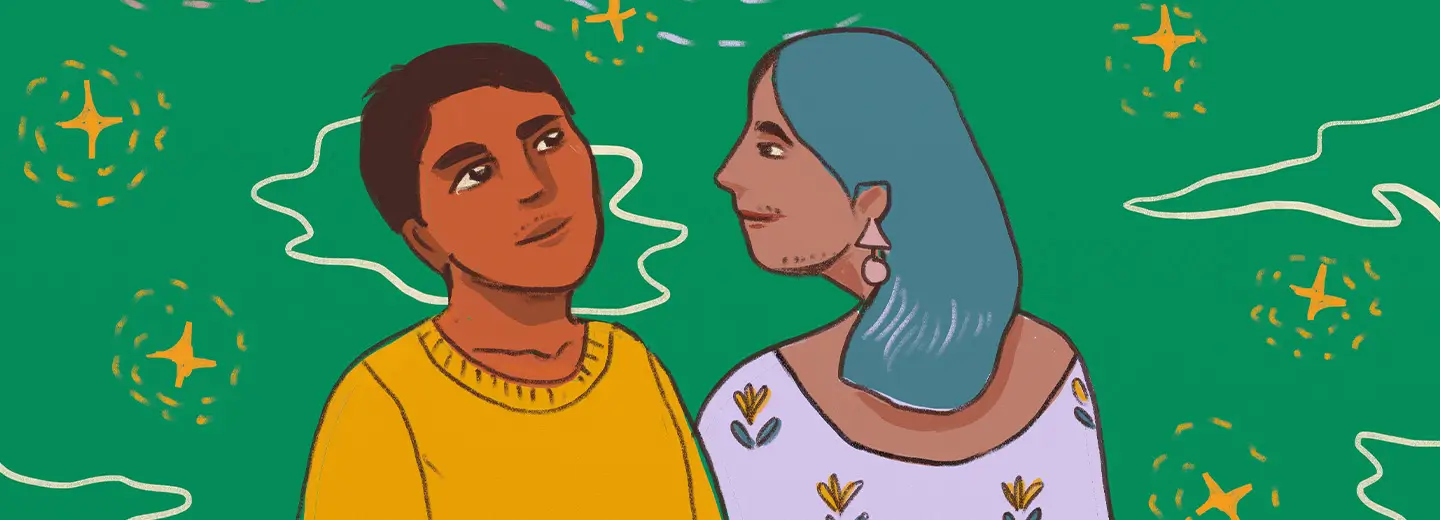
This article is aimed at helping children of transitioning parents understand what’s happening and how they can be an ally. It is not meant to be taken as professional advice.
There is a lot of information out there about being a parent of a transgender child, but not much on what it’s like to be the child of a transgender parent. There’s even less information on being the child of a parent who is just starting their transition.
This is a time of big changes for your transitioning parent, your family, and you. Growing up, you learn new things every day about yourself and the world around you, and this is one of those learning experiences that will help you be a better person. It’s important to talk to your parents about how you feel and ask questions if you aren’t sure about anything.
I’m upset. Is that bad?
How did you feel when your parent told you they wanted to transition? It’s ok to feel upset or confused, or even angry. These are perfectly normal reactions and it doesn’t mean you don’t care or you don’t want them to be happy. Being honest about how you feel might seem difficult, but it will help. How you feel is important to your parent because they don’t want to hurt you, just like how you don’t want to hurt them. It will take time, but be patient with yourself. If you wish, you can ask to talk to a therapist or suggest that you all see one as a family.
Why did they do this to me?
They aren’t doing this to hurt you. You are the most important person to your parent, and they love you. Everyone deserves to be happy. When we can’t be ourselves, it can feel like hiding a big secret – almost like living a lie. It can be painful. Your parent probably went through that feeling their entire life. They want to be honest so they can be their best self with you. When they are happier, you will be, too. If you want to understand more about what they are going through, you can read up on gender identity or expression and sex characteristics (SOGIESC), here. By learning about SOGIESC, you might also learn a little something about yourself.
What’s going to happen to my transitioning parent?
If they are taking hormones, you will see some physical changes that match their gender identity. It doesn’t change who they are as a person.
If you are worried about them, tell them. Are you concerned about their safety? Are you afraid they might get hurt? Talk to them and both of you can discuss what can be done to ease your worry. To get a picture of what to expect, this article discusses changes from hormones.
These links go more into the specifics of feminising and masculinising hormones.
What do I call them now?
Anything that both of you are comfortable with. A parent is still a parent! Use the right pronouns. Hearing you say it is music to their ears. It takes no effort at all to do but can make a huge difference.
How do I tell my friends?
You don’t have to tell them anything if you don’t want to. If they ask, you can tell them the truth – that your parent is transitioning. If you are ok with the transition, no one else has the right to tell you otherwise. Help your friends remember to use the right pronouns. Your parent is going through the same adjustment in their life, with their friends, work, and family members, and it is a difficult time for them. Your support means everything.
Your friends shouldn’t make rude comments. If they do, just tell them that they are being mean to someone you love and it is hurtful.
I’m embarrassed to be seen with them!
While your parent is adjusting to their new life and making changes to the way they dress, or changing their hair, it can be hard to go out in public. They are just as afraid as you are. That’s why you need to support each other. Maybe you can start by doing a little research on your own. Talk it through with your parent. It’s ok to tell them how you feel – there’s no right or wrong. And you can also see this as the perfect opportunity to be an ally. It would mean the world to them.
What’s going to happen to my family?
Your parents have probably had this discussion before telling you, and their relationship is something they will work on. They both love you and will do their best for you, and each other, no matter what happens. Love, acceptance and understanding are the most important factors, and all three of these are things that we need as humans anyway.
Families come in many shapes and forms. Some have two dads, two mums, one dad, or one mum…but it’s still a family! Some families aren’t even related to each other, but are connected by a strong bond. These are chosen families. Our ability to love knows no bounds.
—
If you’d like to read about the experiences of families like yours, check out My Trans Parent: A User Guide for When Your Parent Transitions by Heather Bryant. Get it here: https://heatherbryantauthor.com/my-trans-parent/