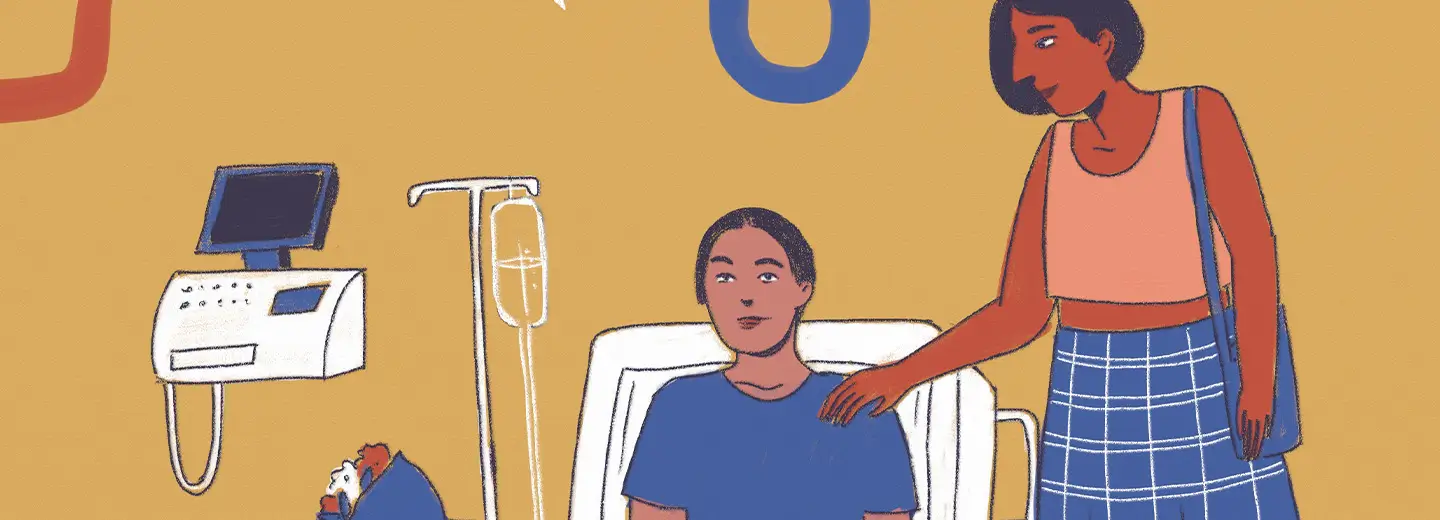
Top surgery is a general term to describe surgery that changes the look of your chest to align with your gender identity. The surgery removes or augments breast tissue to create a more masculine or feminine appearance. It can be a life-affirming, and life-saving, procedure for those that experience dysphoria.
If you feel that you do not need top surgery, for any reason at all, that’s fine as well. The choice is yours.
Taking the time to learn about your options and consult with medical professionals is vital to finding the right surgeon for you. You may need to do some research to find a surgeon who will help you, as not all doctors are comfortable working with trans people. There are different approaches and techniques as well, and each surgeon may have differing opinions.
Some surgeons require letters from therapists or counselors confirming that you are indeed transgender; others simply ask you how many years you have lived as your true gender identity before performing surgery. You can ask around in your local queer community for references to certified surgeons with experience in dealing with trans folk, as this info may not be publicly available. Note that in some countries that do not recognise trans folk, the procedure may fall under “breast reconstruction”, “breast reduction” or “breast enhancement” cosmetic surgery (although gender-affirming care really shouldn’t be).
Preparing physically and mentally for the surgery
Before making the decision to undergo top surgery, you must fully consider the pros and cons. The procedure can be invasive, so please thoroughly consider:
- Risks
- Benefits
- Cost: the price, and whether or not your insurance plan can cover it
- Alternatives to surgery
- Social and legal implications
- Potential complications, such as stretched or bumpy scars, or losing your nipples
- That you can’t undo certain procedures
Your surgeon can discuss most factors listed above, but social and legal implications depend on where you live and your status as a trans person. For more information on these factors you can refer to this factsheet here.
Some people who have undergone surgery recommend exercising regularly in the months before the surgery, but this is entirely based on preference and your doctor’s recommendation. Exercise promotes blood circulation, tightens muscle and skin, and may shorten the recovery period, but it isn’t compulsory. If you are a smoker, it is advisable to stop for a while (or quit completely) as nicotine can affect your healing process. Yes, this includes vaping.
To prepare, you may need to undergo an evaluation which could include:
- A review of your personal and family medical history
- A physical exam
- Lab tests measuring your testosterone levels
- Age- and sex-appropriate screenings
- Identification and management of tobacco use, drug abuse, alcohol abuse
- Testing for HIV and other sexually transmitted infections, along with treatment, if necessary
- Mental health evaluation
- Some surgeons require weight loss or keeping your weight stable to optimise results
When meeting your surgeon for the first time, prepare a list of questions. Be sure to disclose information on any medications and supplements that you are currently taking (yes, even the multivitamin), if you are a smoker, as well as any pre-existing medical conditions, allergies etc.
Your surgeon should walk you through the procedure itself, and pre and post operative care. They should inform you of the risks, cost, benefits, and potential complications, and obtain your consent.
Ask anything you need to know at this point. There are no stupid questions. Share your expectations in terms of the outcome (nipple size, scarring etc) to make sure they match, as closely as possible, to what your surgeon can offer. There’s also no harm in changing your mind. If you are able to access more than one surgeon, seek out a second opinion to give you more options on choosing the best surgeon and type of surgery for you.
Some questions you can ask your surgeon:
- Have you had experience working on trans folk?
- What are the types of surgery you specialise in? Which do you recommend for me and why?
- What will a successful surgery look like?
- How much will it cost? Does that include revisions and follow up appointments? Will insurance cover the cost of the surgery?
- Will I need to be on meds after surgery?
- How long will I need to rest?
- When can I get back to work and sports?
- What are the possible complications and how do I handle them?
- How will I know if something is wrong?
- Can I still take my hormones before surgery and during my recovery period?
Post-surgery recovery
To aid your recovery, clear at least two weeks after the operation to rest completely. It’s best to have someone you trust to help you with tasks for the first week or so as your mobility will be affected.
For the first few weeks, you won’t be able to lift your arms above your head or carry heavy objects, so if your job requires you to do so, you may need to make adjustments in your workplace or take an additional week off. Even for deskbound jobs, typing and moving the mouse can be rather difficult during the first couple of weeks, so listen to your body and don’t try to get back to work too soon.
If you are a weightlifter or athlete, your surgeon will advise you on the safest time frame to get back to those activities to minimise scar stretching and other complications. Be patient and allow your body to heal with plenty of rest. This is a major procedure!
Normally, you’ll be encouraged to exercise lightly (walks…just walks!) beginning one week after surgery. Light exercise will help in your recovery, but anything more taxing than easy walks can increase fluid build-up in the surgical area and increase the chance of complications further down the line. For the first few weeks, your surgeon may only allow light cardio such as walking and progressing to jogging and running later. During your follow-up appointments, your surgeon will advise you on when you can begin heavier exercise, like lifting and playing sports, depending on your progress.
Top surgery is considered an outpatient procedure, meaning you can go home within a few hours after the operation. However, some surgeons will require you to stay overnight for monitoring. This time will also be used to teach you how to take care of your surgical wound and drains. If you are provided with both options, choose the overnight stay. You’ll be a bit groggy after anaesthesia. If you choose to stay overnight, it could cost a bit more, but will be worth it.
When the anaesthesia wears off, you will start to feel some pain. The discomfort level and recovery period will differ from person to person. You’ll experience swelling and some pain for some weeks or even months after the surgery, and this is completely normal. Follow your surgeon’s advice on pre and post op care to minimise discomfort. Over the counter pain meds like ibuprofen will help. Your parents may also recommend the usual traditional herbal remedies to help with healing, so check with your doctor to see if these are ok.
As soon as your wound heals, you can apply silicone gel to minimise the risk of bumpy scars or keloids. These are available at most good pharmacies without a prescription. Your surgeon will teach you how to apply medication on the wound and massage the area to minimise scarring and promote healing. They may also recommend a few light stretching exercises to help you regain mobility and reduce stiffness.
Following the surgery, you won’t be able to sleep on your side for a while. Make sure to elevate the upper part of your body with a few pillows or cushions when you sleep to minimise fluid accumulation and discomfort. There is no set period for going back to your old sleeping position – you’ll know when you’re ready. It’s also not advisable during this time to not undertake any strenuous activity, including sex, which is actually a form of exercise. It won’t be very comfortable or fun, anyway.
Post-surgery fashion and hygiene
It’s recommended to wear loose, light, button up shirts for a few weeks after surgery to make it easier to dress without lifting your arms more than 90 degrees. This is the perfect time to break out your collection of bright and sunny cotton holiday shirts. The shirts will also help prevent exposure to sunlight, which can darken your scars.
For the first week or so, while you have the drains attached, and maybe up until you remove your stitches (if your surgeon does not use soluble stitches), you won’t be allowed to shower. This is probably the most torturous part of the recovery process, especially if you live in a hot tropical climate. Use a warm, damp cloth to wash yourself, avoiding direct contact with the wound, and make sure you stay in a well-ventilated room. For this life-changing surgery, it’s ok to be less than fresh for a week.
Revisions
Depending on the outcome after you heal, you may need to undergo revision surgery to achieve the look you want. Your surgeon will advise you on the best options, but it’s best to set aside some extra funds for this possibility, and ask if the price includes multiple revisions. You don’t want surprises when it comes to cost.
Each body is different, so you can’t expect perfect results straight off the bat. Up to 32%1 of top surgeries require a revision, so please don’t feel bad if you need a few. And yes, the scars are permanent, although you can take measures like we mentioned before to minimise the size and appearance.
Bear in mind though, because of the swelling and bruising during the recovery process, it will take a while for your chest to settle, so give it some time. A compression vest or bra is a great option to help reduce swelling, so ask your surgeon if they can provide or recommend one for you.
Top surgery for trans men/non-binary folks
Breasts are associated with female bodies, so as a trans man or non-binary person, you may want to have them removed or reduced in size. It’s more than just a mastectomy, as your chest will be contoured to reduce the chest wall, and your nipples and areola repositioned and reshaped to align with the characteristics of your gender identity. This is why this form of chest reconstructive surgery is also called masculinising chest surgery.
To answer a very common question, hormone therapy is not required before top surgery for trans men and non-binary folks.
Some risks2 with chest masculinisation surgery include:
- Poor wound healing that can result in infections.
- Fluid buildup beneath the skin that can make it appear swollen.
- A solid swelling of clotted blood within your tissues that can be painful.
- Damaged or dead body tissue, such as in the nipple. It could cause the nipple to fall off.
- Stretched or excess scarring.
- Not being satisfied with appearance after surgery, even after healing.
- An imbalance in chest tissue that can make one side look raised and the other more flat.
What to expect:
The procedure will take between two to five hours, during which you’ll be placed under general anaesthesia. The surgeon will mark the area on your chest while you are sitting upright, right before you go under. The marks ensure the result will be symmetrical and natural-looking.
The surgery will involve removing breast tissue and underlying skin. The crease along the bottom of the breast (inframammary) will be eliminated, and the chest is contoured to emphasise the pectoral muscles. (That’s why some trans men really work on their chest before the surgery, so their pecs will pop.)
For the double incision procedure your nipples and areolas will be reshaped and repositioned (nipple graft). There is the risk of losing your nipples, so some opt to have them removed altogether to have them tattooed on later. If you know you are more at risk of breast cancer, you can opt to have your nipples and areolas removed. Take note though, that some tissue will remain after surgery, so the risk for breast cancer is not completely eliminated.
You can expect some loss of sensation in your chest and nipples, but you’ll get most of it back within a couple of years. Some never regain full sensation in their nipples, so this is something you really need to consider especially if it’s very important to you.
When you wake up, you’ll have stitches and bandages on your chest. Some surgeons recommend a compression binder to minimise swelling. As soon as the bandages are removed, you can check out the new (slightly bruised) you in the mirror!
These are the most common procedures:
Double incision
This is the most common procedure and can remove moderate to large amounts of breast tissue. Two horizontal incisions are made on the left and right side of your chest, just below your pecs. The more tissue removed, the larger the incision. Your nipples and areolas are reshaped and repositioned (grafting) to achieve a more masculine appearance. Your surgeon will ask where you want them placed and will make recommendations for the most natural look during your consultation.
Keyhole
For those with very little breast tissue and very elastic skin, the surgeon will make a small incision along the lower half of the areola and extract the tissue through this opening. The areola and nipple may be resized, but not removed. There is less scarring for this procedure compared to the double incision.
Other procedures include::
Inverted T (anchor) and buttonhole incision
This is another option for those with larger chests and more skin. This procedure keeps the nipple and areola attached to the nerves and other tissue, which reduces the risk of complete nipple loss. Some disadvantages are it requires an additional vertical incision (hence, the T), and because of the extra tissue left behind to supply blood to the nipples, the result won’t be as flat as the double incision or keyhole.
Fishmouth incision
For the fishmouth, the horizontal incisions will be slightly higher on the chest to be more consistent with the border of the chest muscle. Your nipples will be aligned with the incisions, which can make them appear a little unnatural. That’s why this option is less popular.
Top surgery for trans women/non-binary folks
While some trans women and non-binary people undergo hormone replacement therapy to stimulate breast growth, they may still opt for top surgery to enhance the appearance and shape of the chest. It’s also a great confidence booster for some, and can help align your outside with how you feel inside.
Top surgery for trans women and non-binary folks is a procedure to increase breast size and change the shape of the chest to accommodate the larger breasts. It’s also called chest feminising surgery, breast augmentation, chest construction, or mammoplasty.
This procedure may involve placing implants or tissue expanders under the chest tissue. In some cases, fat can be taken from another part of the body and injected into the chest. Within 10 years of surgery, you may need to replace your implants.
The two types of implants used are:
Silicone – These contain a gel that helps maintain the shape. It’s a more popular choice, as the end result has a more natural feel. However, they require larger incisions and carry a higher risk for an undetected rupture compared with saline implants.
Saline – These contain a saltwater solution. Smaller incisions are needed compared with silicone implants, and the size can be adjusted during the surgery itself. It’s also easier to detect a rupture with a saline implant.
Some risks3 with chest feminisation surgery include:
- Scar tissue that distorts the shape of the breast implant
- Fluid accumulation beneath the skin
- A solid swelling of clotted blood within your tissues
- Breast pain
- Imbalance of the breasts or breast creases
- Implant displacement, leak or infection
- Dissatisfaction with appearance after surgery
What to expect:
The procedure is essentially the same as that for cis women. However, trans women typically have broader chests and thicker pecs, with smaller nipples and areolas. They also have shorter distances between the nipples and the creases under the breast (inframammary fold). Your surgeon will consult you on the shape you wish to achieve and the possible outcomes.
When prepping you for surgery, your surgeon will mark the area on your chest while you are sitting upright to ensure a natural and symmetrical look. They will tell you where they will make the incisions and how big the scars are expected to be.
The procedure will take up to five hours, during which you’ll be placed under general anaesthesia. Your incisions may be done along the breast fold area under the breast, around the areola, in your armpit, or through your belly button (transumbilical). Most opt for the breast fold incision, and your surgeon will do their best to minimise visible scarring.
If you feel your breasts are not large enough with hormone therapy, you may need to undergo an initial surgery to have tissue expanders placed in front of your chest muscles. In the weeks after this surgery, your surgeon will inject a small amount of saline each time to stretch the tissue slowly and make room for the implants. When the implants are inserted, the expanders will be removed.
When you wake up after your surgery, you’ll have stitches and bandages on your chest. Rest and recover!
Here are some links to articles on top surgery for some additional reading:
https://www.allure.com/story/top-surgery-mastectomy-difference
https://www.self.com/story/6-things-you-should-know-before-having-top-surgery