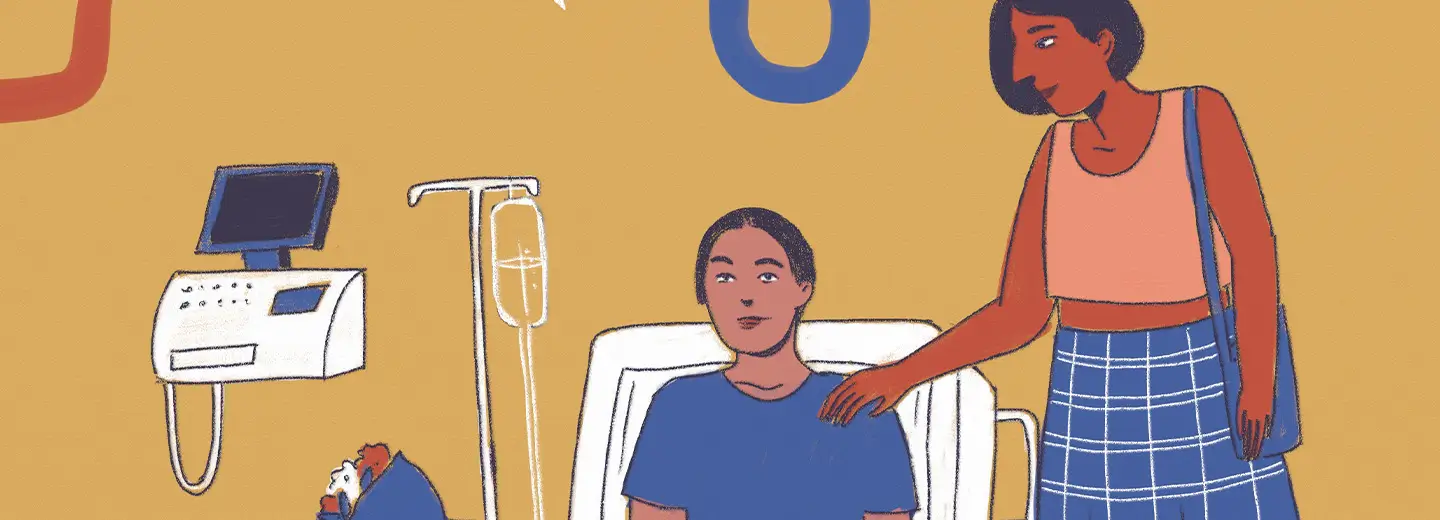
Preparing for your gender affirming surgery can be both scary and exciting. Let us try and help make it a little less intimidating by giving you some tips and the kind of information you should seek out.
Question Yourself & Reflect
Surgeries will always unfortunately carry some measure of risk and gender affirming surgery is no different. Hence, it is important to ask yourself what the objective of your surgery is.
– What helps me feel most connected and at peace in my body?
– What gives me the most confidence when I’m interacting with others (socially, sexually, etc)
– What gives me dysphoria and what gives me gender euphoria?
– Are there other options to easing dysphoria? For example, have you tried binding, tucking, make-up etc?
– Have you considered getting on gender affirming hormone therapy (GAHT), and have understood the timeline of changes, and the kind of changes that can be expected when given enough time?
– Have you spoken to a therapist? (Most surgeons will require 1-2 letters from a psychologist/psychiatrist, depending on the surgery)
– Is the need for surgery internally driven (you want it) vs externally driven (its to please society, family, a partner etc)
– What will make you happy about having this surgery?
– What concerns do you have about surgery?
– What is my “ideal” result for surgery.
– Is that ideal possible? What may not live up to my expectations?
– What are my priorities in terms of my surgery results/aesthetics? What am I not as concerned about?
Also; Do you already have a desire for surgery and if so, what are the current obstacles to achieving this?
Find a community
Finding a community is important because it gives you a lot of added information from people who have undergone similar procedures or are about to. It may also help you find information which you are currently lacking.
A good example of a global community for this would be: r/Transgender_Surgeries/
Talk to your trusted healthcare provider
Talking to your trusted healthcare provider who has been treating you (whether a GP,an endocrinologist and/or a mental health therapist) can be extremely helpful. As this will ensure that this surgery is safe for you. We all have different body shapes, lived experiences and underlying health conditions. Someone who has treated you and has historical data of your ailments will be able to give you a better understanding of whether this surgery is right for you.
Note: If you are not comfortable talking to your current doctor or if you are not in contact with one, it might be a good idea to seek the opinion of an endocrinologist, we have a guide on how to find one that is trans competent here.
Listing possible surgeons
Making a list of surgeons will be the first step in ultimately deciding which surgeon you want to go with. Bear in mind that depending on where people live in the region, there may be few-to no surgeons in your area and travel is often necessary (even sometimes internationally).
It can also help with asking specific questions to people who have undergone surgery with this surgeon – ie: their experiences, the exact costs, what needs to be prepared etc.
Consultation with your list of surgeons
Even before starting the consultation with the surgeon, you should probably ask what kind of documentation you need to provide – this might include past medical records, x-rays, current blood tests, letters from a psychologist, history of hormone use etc.
Eventually you would have booked a consultation with the surgeons you have chosen. This is the time to ask any and all questions you can think of. There are no stupid questions. You need to understand the ins and outs of this procedure.
-Make sure to find out the exact results of the surgery.
-Whether you need additional surgeries.
-What are the pre-surgery requirements
-What happens during surgery ie: what kind of anaesthetic is used, how long it takes etc.
-Understand the risks.
-Understanding post surgery recovery procedures and timelines.
-Whether or not it is recommended for you to have someone accompany you during the healing process (some clinics encourage this for bottom surgeries as they do not have the manpower to have someone help you with the day to day while you are recovering).
-Discuss your expectations and priorities for results.
-If revisions are necessary, and if they would be covered by the original cost.
-Remember that there are no stupid questions.
Prepare Your Entire Budget
Gender affirming surgery is an expensive endeavour, understanding the exact cost of the entire procedure will help with decision making and timeline planning.
Make sure to include costs for every aspect of the surgery and to over budget to include unforeseen buffers.
Consultation – If the surgery is performed in another country or another city and you need a physical consultation, you will need to include hotel stays and travel costs of the consultation into your budget. Some consultations may also have a cost to them.
To save costs, see if you can get a consultation via telemedicine or remotely, or to have basic questions answered via email before travelling.
Pre Surgery – Sometimes you may not be able to do the surgery till the pre-surgery requirements are met which may include hair removal, lifestyle changes and documentation, all of which may cost additional finances.
Surgery – The cost of the surgery itself and its hidden fees and taxes.
Hospital Stay – Depending on the surgery and the surgeons’ recommendation, hospital stay might be required and adds an additional cost.
Post Surgery – Hospital stays may need to be extended as there could be a requirement to return for a follow up. Time off work to rest can also be accounted for here.
Note: Keep in mind that surgery costs may vary, depending on public or private hospitals. Public hospitals tend to be much more affordable but they have long queues which may take a long time. If you have also decided to have someone accompany you during the healing process this can bring about additional costs.
Conclusion
There is no doubt that any surgery can be daunting, especially one as important as a gender-affirming surgery. It is important to be prepared, do a lot of research beforehand and to be kind to yourself during this process.
It is also important to understand that it will take time.
There is a high demand for gender affirming surgery and there are unfortunately not a lot of surgeons who are experienced enough to perform them. This can sometimes lead to a waitlist to even consult with the surgeon of your choice. Not to mention, a possible waitlist for the actual surgery itself (which can sometimes take months or even years) and the preparations you need to make to meet the requirements.
It’s easy to feel like you need the surgery done right now because dysphoria can sometimes be incredibly paralysing and anxiety inducing, but remember the entire procedure of surgery from preparation to the actual surgery itself will take time, usually more than anticipated. If the dysphoria becomes too much to bear, it is highly recommended to seek therapy. This will also be a good time to try non medical gender affirming care
For more information on specific gender affirming surgeries:
Click here to learn more about feminising gender affirming surgery
Click here to learn more about masculinising gender affirming surgery