You have done it, you have come a long way in your transition journey and you feel you are ready to have it represented in your official documentation – having legal gender recognition after all can be a euphoric experience and can help ease dysphoria if the name you were given at birth is easily read as coming from a particular gender. So how do you go about doing it? Well the process is different for each country in Asia Pacific so to ease navigation, we have broken it down by each country below.
Note: To complete this article, we require a collective contribution. If you know the process of a gender marker change on your country, please email hello@beingtrans.com with the subject “CONTRIBUTOR: Gender Marker Process in [COUNTRYNAME]” and add your information to the email. We will reply to verify your information.
Malaysia
Officially to get legal gender recognition, you will need to change your gender marker, last digit of your identity card (odd for males, even for females) and change your name. This application can only be done through the civil courts and is at this moment, is impossible for if you are Muslim.
You will need to have undergone a complete surgical procedure (bottom & top), have a letter from your doctor (or have a doctor present), get a letter from your psychologist (or have them present) and the representation of a lawyer. The decision on whether or not this is successful is very dependent on your lawyer’s ability to fight for you in court, the judge that is overseeing the case, current political climate, and even your ability to pass.
You are also only able to do this a limited number of times.
Historical Court Cases in relation to legal gender recognition:
2005: JG v Pengarah Jabatan Pendaftaran Negara : Approved
The court rejected the views of Corbett in the Australian case of Re Kevin which view sex as “immutably fixed at birth”. The court then decided to let medical experts determine the gender. And through physical and psychological aspects examined allowed changing of official documentation.
2013: Kristie Chan v. Ketua Pengarah Jabatan Pendaftaran Negara: Denied
Appeal was rejected despite undergoing gender affirming surgeries overseas stating that there was no medical evidence from Malaysian experts that gender affirming surgery “changes a person’s gender” relying instead on chromosomal requirements.
2016: Transgender man, XYZ (for privacy purposes) v Jabatan Pendaftaran Negara : Approved
Appeal was successful for legal gender recognition after evidence of surgeries. The court stating that the previous 2013 Re Kristie Chan relying on chromosomal requirements to be “impossible” and “unjust”.
Reference: ILGA Asia Trans Legal Mapping (2017)
Read More:
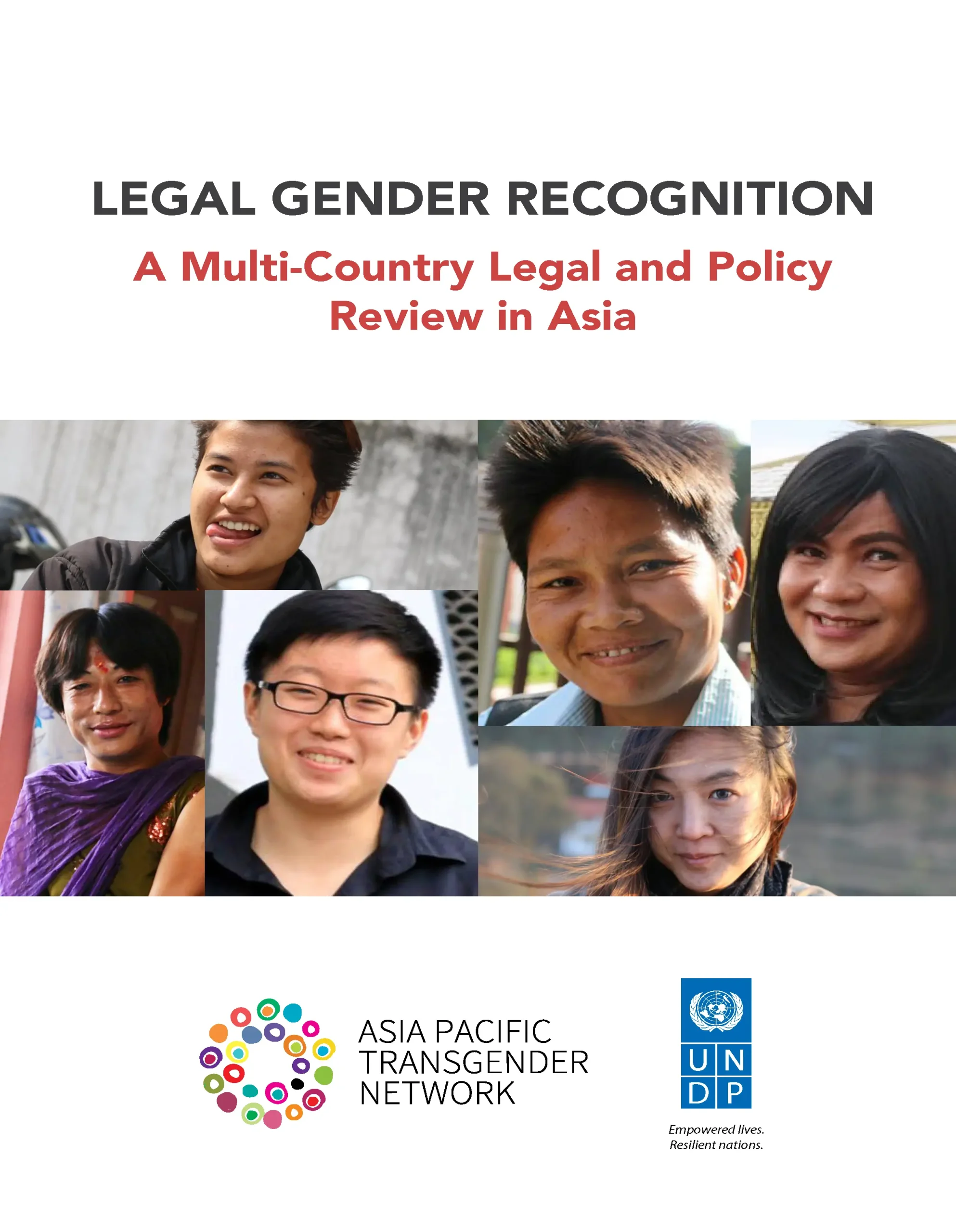
Legal Gender Recognition: A Multi-Country Legal and Policy Review in Asia – Asia Pacific Transgender Network
Trans Legal Mapping Report – ILGA World