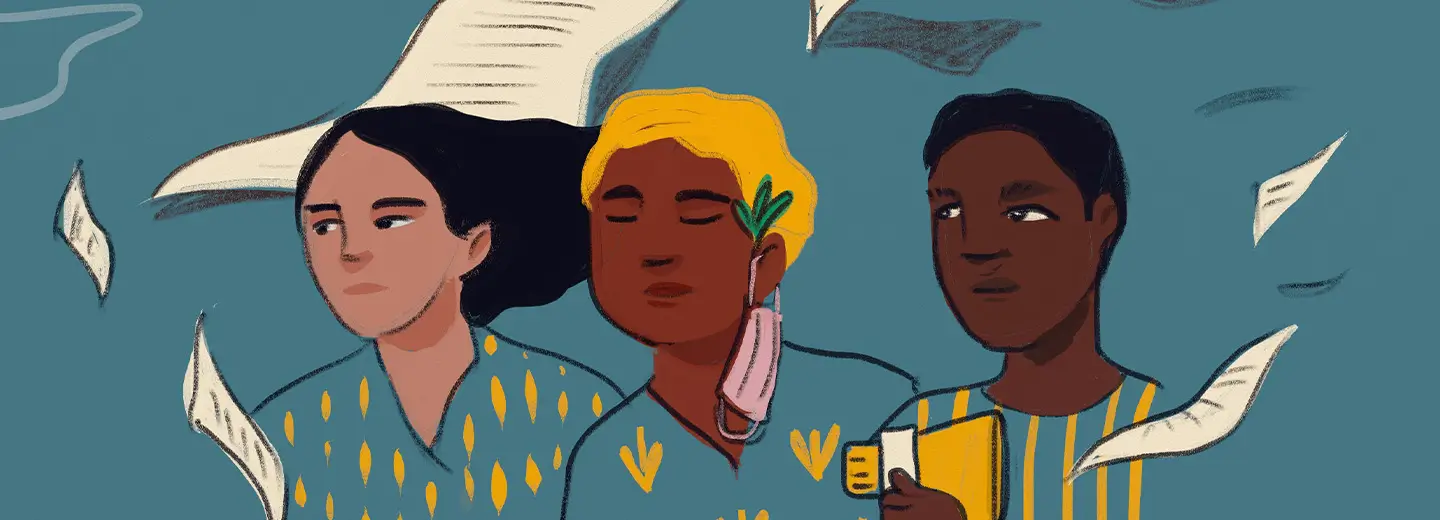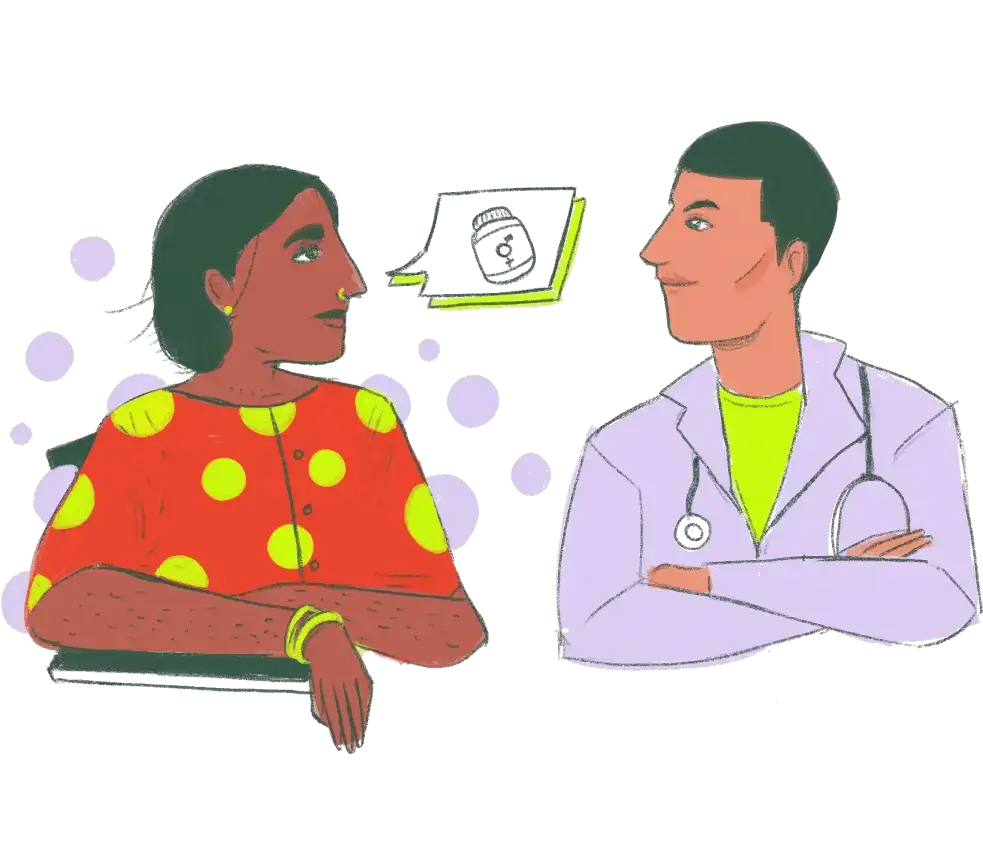
The following viewpoints are based on the writer’s personal experiences and understanding of people. While the points mentioned below may have useful insights, the writer advises that geography, culture and class disparities result in differences in how trans/GNC people navigate the world (and in turn how the world reacts to it). To ensure your own safety, talk to other GNC people who you identify with, preferably those near you.
Ever since I’ve socially started transitioning, I’ve had a range of horrible experiences when I’m not at home. I’ve heard transphobic slurs, been groped in public transport, been stalked and had a glass bottle thrown at me from a passing car to name the worst few. Here are some tips that may help you to be safer around other people.
1. Have your friends around you whenever possible
People usually target individual trans folks. When you’re with a friend in public, the negative reactions and harassment tend to be less frequent and scary. The bigger your group, the lesser the chance of strangers hurting you. That’s not to say that people haven’t laughed at me or teased me when I’m with friends. It’s just easier to ignore them by focusing on your friend.
2. Travel Safer
To reduce negative reactions, it’s important to reduce exposure to unwanted strangers. An easy way to do so is by avoiding public transport, if possible. Avoid traveling late at night or where it’s dark.
3. Be calm and present
This is one of the hardest challenges for me. To be calm in the face of adversity. When transphobes verbally harass me, it’s because they want to provoke a reaction. It’s easy to get upset. If you give in, they’ll be getting exactly what they want from you. The best response is no response. Getting angry or losing your temper will ruin your day for you. Trying to have a dialogue on inappropriate behaviour may be a futile exercise, in my opinion. The world is transphobic. Talking to individuals may not be the best way to bring about change, especially when it comes at the cost of your own mental wellbeing. Remember that no matter how noble your intentions are, they might react in any number of ways which may be unpleasant for you. What they are saying are just words. Once you realise that it’s possible to take away the power from words, they will eventually leave you alone.
I’ve found mindfulness meditation practices to ground myself to be particularly helpful.
4. Have someone to talk to
Being constantly scrutinised and judged by people takes a toll on our mental health. It’s important that you have people to talk to about these experiences. It helps if they are GNC or trans as they’ll be able to empathise better and give apt advice. I also speak to my therapist on a regular basis. She is an invaluable source of advice and a place where I can unload all of my troubles, in addition to providing useful coping mechanisms tailored to my needs.
5. Set boundaries with negative family members
Dealing with negative reactions from one’s own family can be the hardest. They aren’t random strangers whose words can be ignored and forgotten.
Try educating them from a distance to avoid confrontation. You can share links that address any specific problems they may have with your appearance. Remember that people take time to absorb new ideas and evolve to be more accommodative. Give them that time if you think they are capable of change.
That being said, some people are rigid in their viewpoints. Don’t exhaust yourself with the burden of trying to educate people who just don’t want to learn. Family doesn’t need to have shared blood. There are lots of people in the queer community who have been rejected by their family or chosen to cut off ties. Found families based on shared experiences can be a source of comfort. The validation and love you seek will find you, but maybe not always from the people you deserve it from.
6. Seek intimate partners who can help keep you safe
Trans people face disproportionately higher Intimate Partner Violence (IPV) when compared to cis folks. If the people you form romantic or sexual bonds with aren’t affirmative to your transness, leave them. Violence often starts in subtler forms (verbal abuse, misgendering, denial of personhood) and may not always be physical. It’s not your job to educate your partner(s) on how to be human. There are people who are kind and already educated about trans issues. You deserve basic human dignity and kindness from the people you share love/sex with. It’s better to be single than to be in a dehumanising relationship. The world is changing faster than ever and social media has allowed more people to come out. This visibility, however, doesn’t equate to safety. Find people like you in your area of residence and build community. There is both safety and wisdom in numbers. For more on this, check out this article: How to deal with gender discrimination and transphobia (NT) – Justice Connect