It’s been a decade since I first went to therapy to seek help for bipolar disorder. My mind was crumbling and I needed all the bad inside me to stop. The first therapist couldn’t do much to help me, but thankfully I realised how important it was to have a mental health professional to talk to.
Over the years I kept changing therapists when I realised they weren’t equipped to deal with my problems. I eventually learned how to spot red flags in a therapist within the first session itself. I’ve been going steady with a therapist for over a year now and it’s been one of the things that helps bring out the best in me. Here are some pointers that may help you find the therapist or counsellor that’s right for you :
1. Queer affirmative vs queer friendly
It’s important that your therapist is LGBTQ+ affirming. There are a host of therapists who aren’t and end up significantly harming their queer clients. Conversion therapy is sadly still rampant and while it’s unethical and illegal in most countries, a lot of practitioners continue this detrimental and ineffective practice. There are some therapists who call themselves queer friendly. It’s not the same as being affirmative. If they aren’t updated and can’t affirm your queerness, therapy would end up not being effective. A mental health practitioner should always condemn conversion therapy and know that being queer isn’t a mental illness. There are national directories in some countries that list out queer affirmative therapists. Personally, my therapist was updated on queer issues and I didn’t have to put in the effort and time to educate her about issues that trans people face.
To see a curated list of therapists, this website has a database and you can narrow down on whether they have been trained in queer affirmative practice. Filters allow you to seek out therapists who work with neurodivergence and disabilities.
2. Get to know them
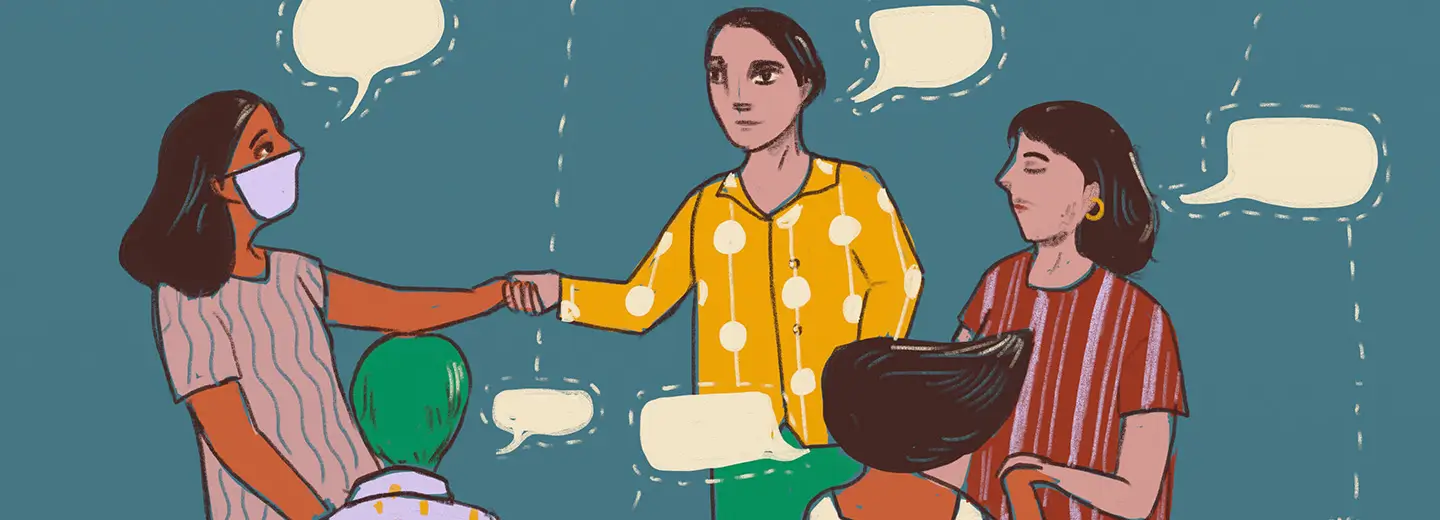
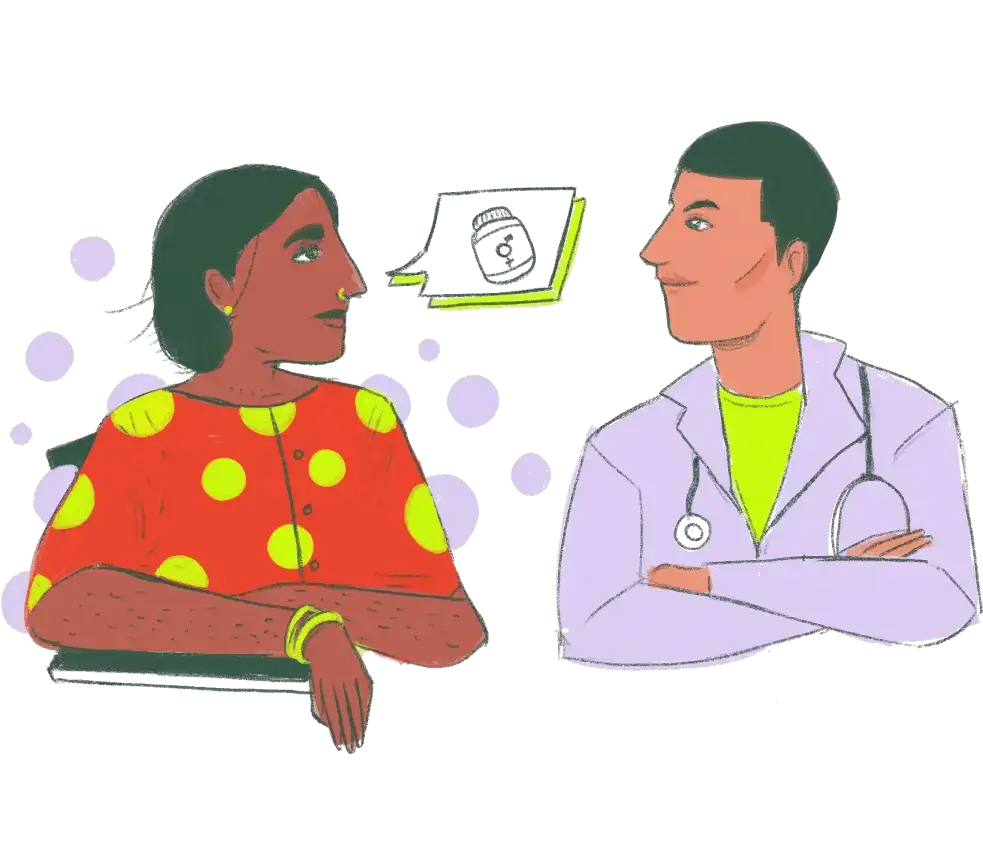
Ask their opinions on queer issues or any challenges that you may have faced or heard of. A good therapist wouldn’t avoid having conversations with you on the issues you face. Ask them if they would be ok with a free 20 minute chat to see whether they match your needs. Gauge their beliefs and see if they have any internal prejudices by having these initial conversations. If you see any biases they may have about queer people, it’s alright (and essential) to keep looking for a better mental health practitioner.
3. Fees and frequency
Sometimes you might find a great therapist, but often the best ones are overbooked. See if they can take on new clients and how frequently they can meet with you. In the initial stages when my bipolar was unmanageable, I needed therapy once a week. Over the years, with having unpacked a lot of my past trauma, I need it once in a month or two. Some of the best therapists tend to be pricey. See if they offer sliding scale payment options. Certain NGOs offer discounted or free therapy as well. See if your city has such options.
4. Ask around
If you have queer friends or community, ask around if anyone has found a good fit. Chances are that some of the queer folks you know may already be going to therapy and seeing results. This reduces the chances of your counsellor/therapist being ill-informed about your issues.
5. Virtual vs Physical
One of the things that I’ve insisted on for therapy is having in person sessions. Things have changed since the onset of the pandemic and a lot of clinics and mental health professionals provide services via audio/video calls. Figure out which is the best fit for you. For people with disabilities that make leaving the house difficult, online sessions may be a great solution. For folks that live in rural places or where access to a great professional may not be possible in person, online access to a therapist is a boon.
If you know anyone who is struggling, share this article with them. It’s ok to seek help.