We’re not trans because we’re mentally ill – it’s not a mental illness – but our mental health could be affected by the mismatch between our transness and the world around us.
Trans people tend to have higher rates of mental health complications, substance abuse issues, and eating disorders than the general population. The unique challenges we face, like gender dysphoria, stigmatisation, and discrimination, every single day, can cause anxiety and depression. To make it worse, it’s much harder for us to access healthcare.
Thankfully, there is hope in the form of both formal and informal support structures.
Therapy
Seeking mental health support from a therapist doesn’t mean that something is wrong with you. In fact, everyone, straight, cis, trans, whatever, should talk to someone who doesn’t know them or their family and friends, aka a professional stranger who is not a bartender.
You can find queer-affirming mental health support by connecting with your local queer community and asking around. While you can also seek mental help from online therapists, it’s best to find someone in your own city or town, as there will be cultural elements unique to you and your situation. Here’s an article on how to spot a queer-affirming therapist.
Talking to friends can help, but a therapist can offer an objective point of view and teach you how to manage through methods like cognitive behavioural therapy (CBT) or mindfulness techniques.
If cost is an issue, mention this beforehand. Some therapists offer staggered payment structures based on what you can afford or have agreements with NGOs that support queer folks.
If you’re up for it, start your own therapy circle by gathering some folks. It can be done in a formal setting, or a chill session with food and drinks and a movie.
Healthcare
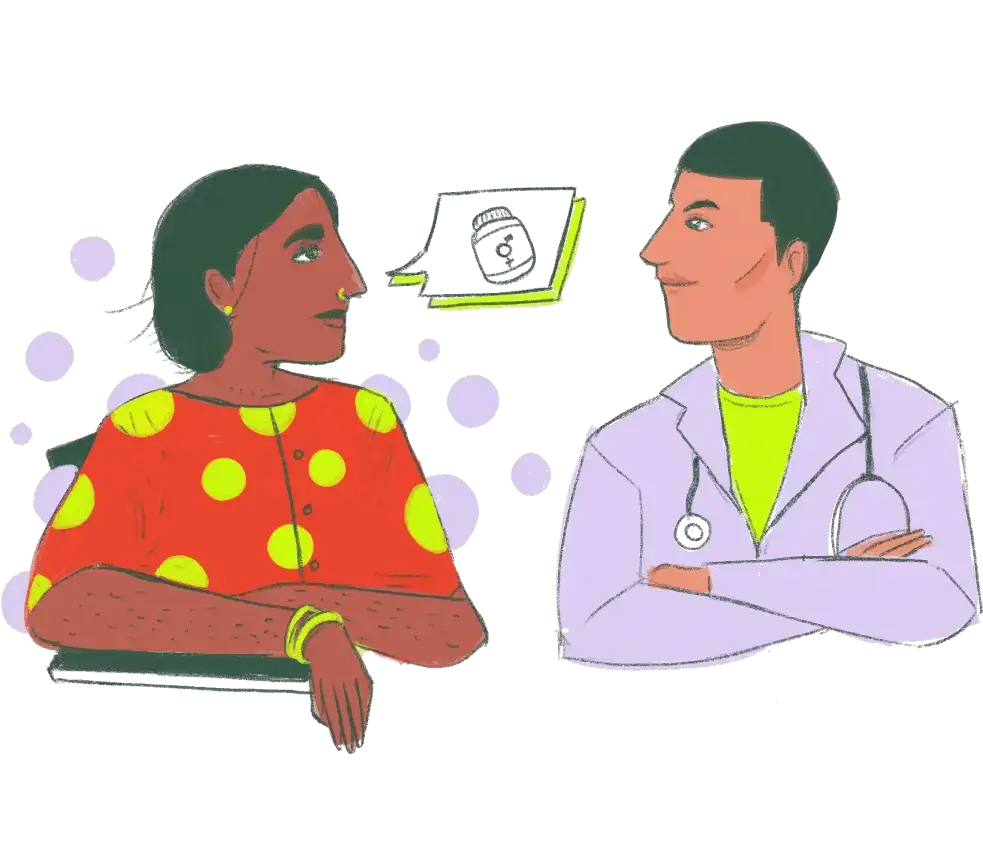
The mind and body are interconnected. Coping with the stress of everyday life can lead to physical symptoms and illnesses like migraines, frequent stomach issues, and even fibromyalgia. But seeking healthcare can be awkward and uncomfortable in more conservative societies, although doctors should be professional. Your local queer community can refer you to doctors who are trans-friendly and have experience in dealing with folks like us.
Community
We’ve mentioned “your local queer community” a few times now because it’s super important to have a network of supportive folks who are just like us. These communities can be formal (advocacy groups) or just a bunch of friends. Get out there and get in touch with them. Make new friends who will lift you up and make you feel beautiful. These friends can provide a support structure in times of need, and help you out if things get too difficult.
Getting involved
If you have fully considered your own safety, you can get involved in making a change in your country by joining advocacy groups. Being part of the change can be fulfilling but remember to have some “me time” as well by going to your therapist, as advocacy work can be taxing.
Getting involved doesn’t need to be focused on queer stuff. You can volunteer at a charity or pet shelter – whatever you like.
Taking care of your own needs
This “me time” is so important. Get enough sleep, drink loads of water and eat a balanced diet. Exercise is helpful in regulating moods and boosting your immune system. A long, relaxing walk is just as beneficial to your health as any other form of exercise – you don’t need to get ripped. Practice mindfulness techniques, like meditation, or even a simple one like closing your eyes for 5 minutes while listening to your favourite music. Set boundaries for yourself by balancing work and life and avoid toxic folks who drain your energy. A hobby is an underrated “me time” activity. You might have something you enjoy doing alone, or you can reach out to a community that enjoys the same things you do.
—
Setting up a foundation based on these elements can go a long way in helping you take care of yourself. YOU are the most important person to yourself.