Mental health challenges within the transgender and gender-diverse community in Nepal are closely tied to daily experiences of discrimination, stigma, economic insecurity, and social exclusion. Many community members are focused on survival—finding work, securing housing, staying safe—leaving little space to acknowledge emotional pain or seek support. Before this project, many participants had never attended any form of wellness or therapy session due to fear, lack of information, or financial barriers.
Using the fellowship grant, I designed and facilitated a series of community-based wellness activities that included sound healing therapy sessions, mental health orientation, art-based therapeutic learning, and individual therapies such as sirodhara oil therapy and energetic therapeutic massage.
In total, 53 transgender and gender-diverse individuals participated in the sound healing sessions, while 30 people joined the mental health orientation and art therapy workshops. At the beginning of the sound healing sessions, many participants expressed fear, hesitation, and nervousness, as the concept of sound therapy was completely new to them. Some were unsure whether it would work or whether it was “for people like us.” However, after completing the sessions, participants immediately shared feeling lighter, calmer, and more relaxed. Many described a sense of emotional release and reduced stress in their bodies. For some, it was the first time they had experienced deep rest in a safe and non-judgmental space.
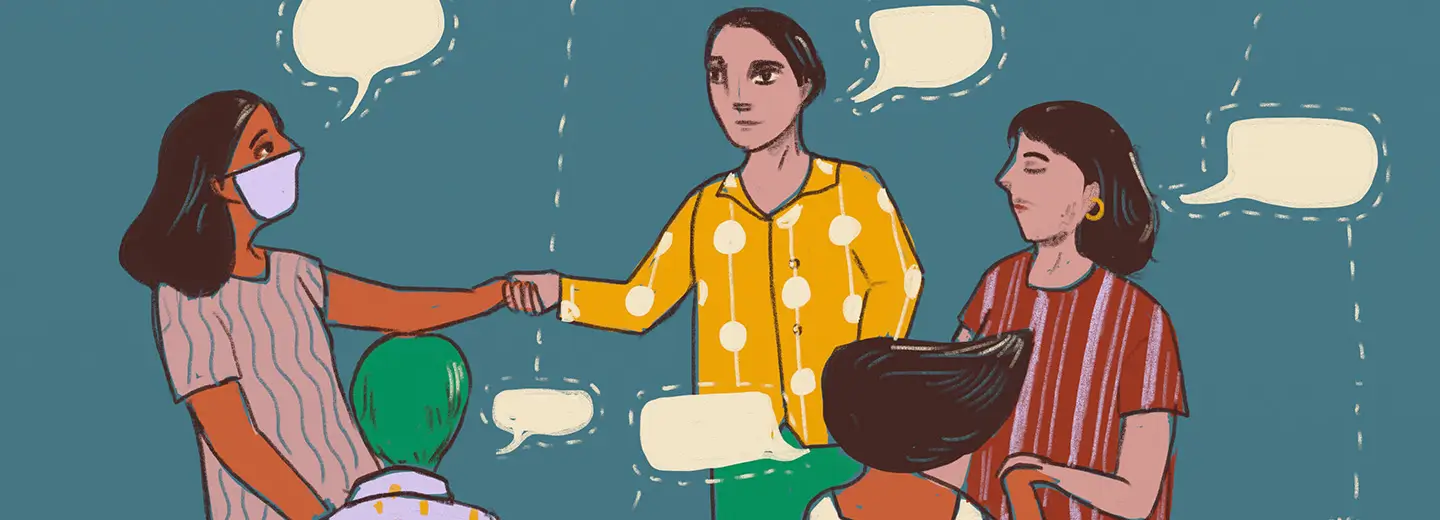
The mental health orientation and art therapy sessions created opportunities for participants to reflect on daily stressors, self-care, and the importance of “me time.” Through colors, drawings, and guided activities, participants shared lived experiences and emotions that they often keep hidden. The space allowed expression without fear of judgment, and many participants said it helped them feel seen and understood.
One of the biggest challenges was managing participants’ schedules. Due to diverse work hours, personal responsibilities, and initial hesitation, flexibility was essential. Sessions were held at different times to ensure comfort, consent, and participation.
What stayed with me most was how quickly participants expressed a desire for more. Many asked when the next session would be and shared that they wanted regular, structured mental health programs within the community. These responses confirmed what I already knew as a trans woman myself: healing spaces are not a luxury—they are a necessity.
This project reminded me that healing does not always require large systems or complex interventions. Sometimes, it begins with a quiet room, shared trust, and the intention to care for one another. As a trans woman, witnessing my community relax, open up, and feel lighter reaffirmed my belief that community-led wellbeing work matters.
I learned that mental health remains a sensitive topic, but it is also an urgent one. Going forward, I hope to see more long-term investment in healing, therapy, and safe spaces for transgender and gender-diverse people. These spaces allow us not only to survive—but to rest, reconnect, and imagine healthier futures together.