I was once asked by a cis-gendered heterosexual woman in a queer club, “Why do you people always do everything with each other?” By you people, she meant us queers. I gestured to the sea of bodies surrounding us. The sequin-adorned, undulating crowd, gyrating to Britney Spears’ Toxic. I felt my heart bursting with love. “These are my people,” I shouted above the pulsing bass. I meant it. I would never have made it this far in life without them. When I was at my lowest and suicidal, it was this community that showed me love and respect. From that, I learned to love myself and found the strength to confront my family with the truth I had been hiding my whole life.
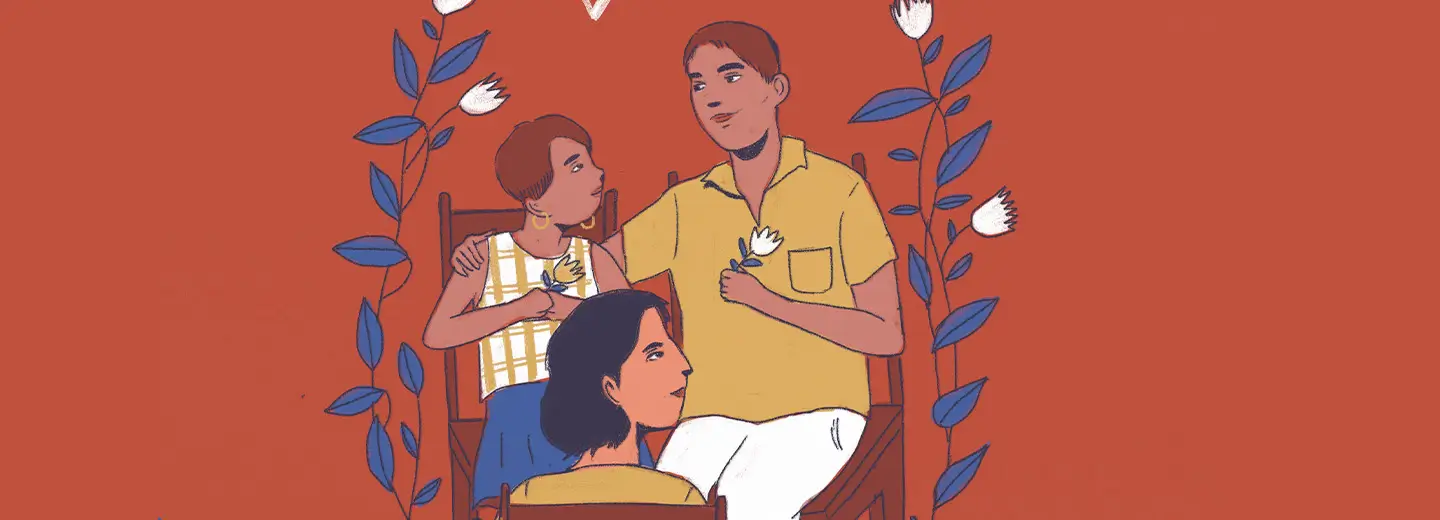
If you’ve been wondering what love is, it’s a safe space with people who acknowledge you. It’s your community.
Being in a safe space, with people who understand me and are just like me, is a sanctuary. A relief from having to explain myself or justify my existence to folks whose place in society was never questioned. I can be all of myself and not be afraid or ashamed. That’s just part of the reason.
As a minority, LGBTIQ+ folks face a higher risk of mental health issues, including depression, anxiety, self-harm, and alcohol and substance abuse, especially those who live where discrimination is embedded in the culture and system. You can feel very alone.
That’s why we need each other, because who’s going to help us if not ourselves? Connecting with other folks who are just like you can be a lifeline. The queer community is a multi-functional, multi-dimensional, Swiss army knife of solutions to queer problems and not-so-queer problems.
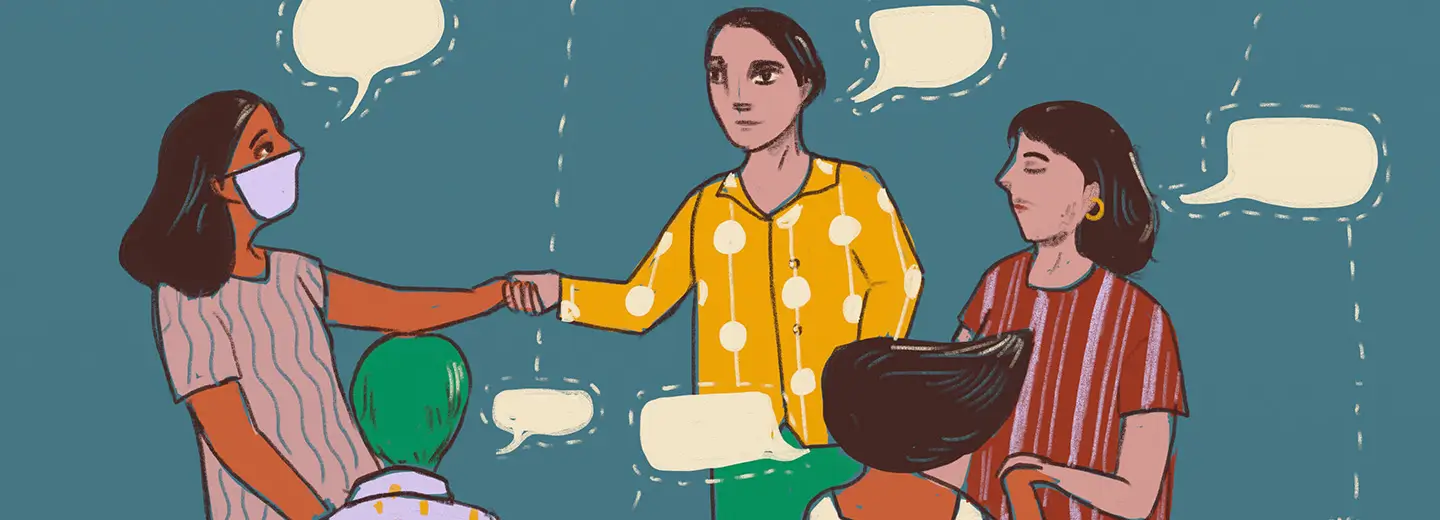
During the lockdown, with some of us stuck in hostile environments, we reached out to each other. When a lesbian teen was kicked out of her home by their family and her life was threatened, we pooled our resources to house and protect her. When a trans woman was hauled in by the authorities for being herself, we utilised the queer call tree to mobilise NGOs and get legal assistance. When a gay man sought asylum in another country, we spread the word through the international queer network to ensure his safety. When someone needed a cat sitter, we rallied the queer cat lovers. The list is as endless as our reach.
This rainbow community can take many shapes and forms, both formal and informal. LGBT rights organisations, student groups, your weekly queer board game crew – these are all part of an interconnected web of queer folks with shared interests and common goals. It’s like a big, warm hug.
Together, we’re powerful, drawing strength from each other in times of adversity. Just three weeks before Neil Armstrong took those first steps on the moon, an uprising was brewing in the belly of New York City. At 1:20am, June 28, 1969, Stonewall happened. The effects reverberated throughout the world, setting the wheels in motion for a global queer movement. The following year, the first Pride parade took place. Pride, as opposed to the shame and humiliation we face every day. Pride, as in love for ourselves and others. Pride, as in reclaiming our place and standing our ground.
While this collective power can change the world for the better, you don’t exactly need to start a riot to be part of a queer community. It can simply be a place for you to connect and find the relief and acceptance that I sought. Queer video game night, anyone?
–
To get you started on finding your queer community, we wanted to create a list. It’s always growing, so let us know if your community is queer friendly to hello@beingtrans.com