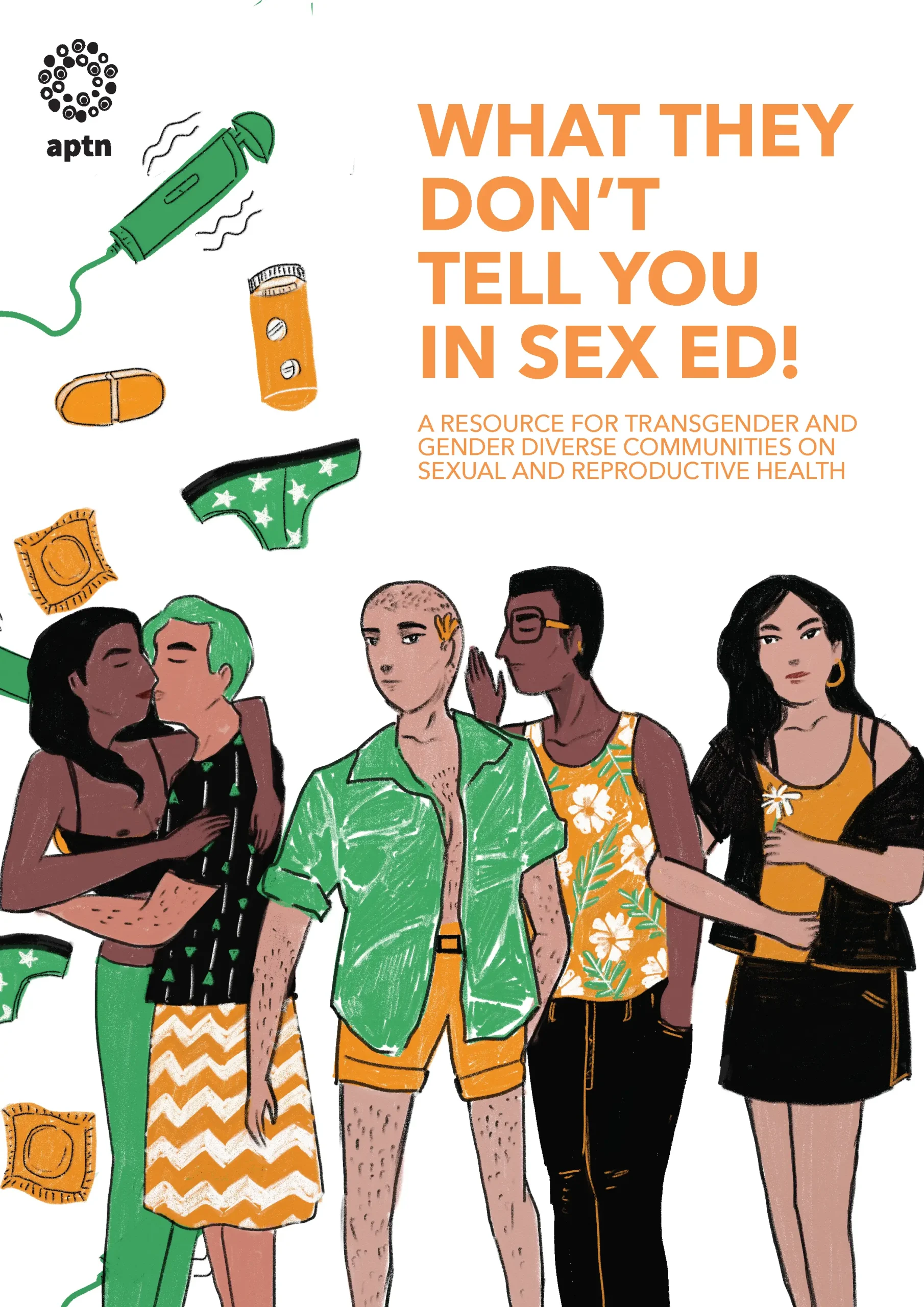
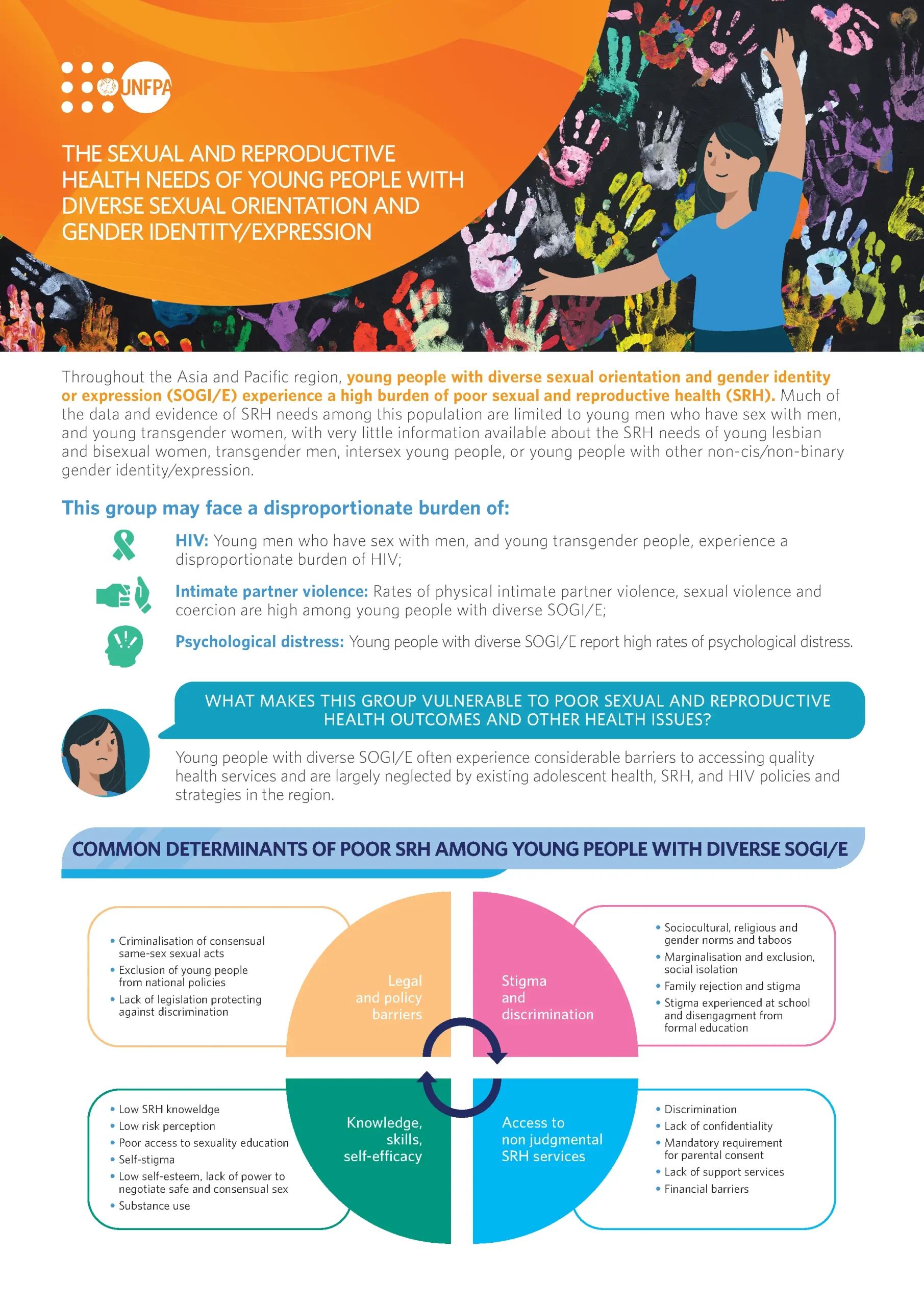
The Right to Heal booklet emerged from a long-standing concern identified through sustained engagement with transgender and gender-diverse communities in Sri Lanka. Across community discussions, online sessions, and peer-led conversations, it became evident that access to accurate, affirming, and relevant sexual and reproductive health information was extremely limited. In the absence of trusted resources, misinformation circulated widely particularly around hormone use, menstruation, sexual health, and bodily changes contributing to health risks, anxiety, and confusion among community members.
The decision to focus my Amplify fellowship seed grant on sexual and reproductive health and rights was both strategic and urgent. The primary objective was to develop a resource that was community-informed, medically accurate, and accessible across linguistic, educational, and socio-economic contexts. Translating this vision into practice involved several challenges, including balancing clinical accuracy with non-pathologizing language and ensuring that complex health information remained understandable and relevant. These challenges were addressed through iterative review, community feedback, and close collaboration with technical experts.
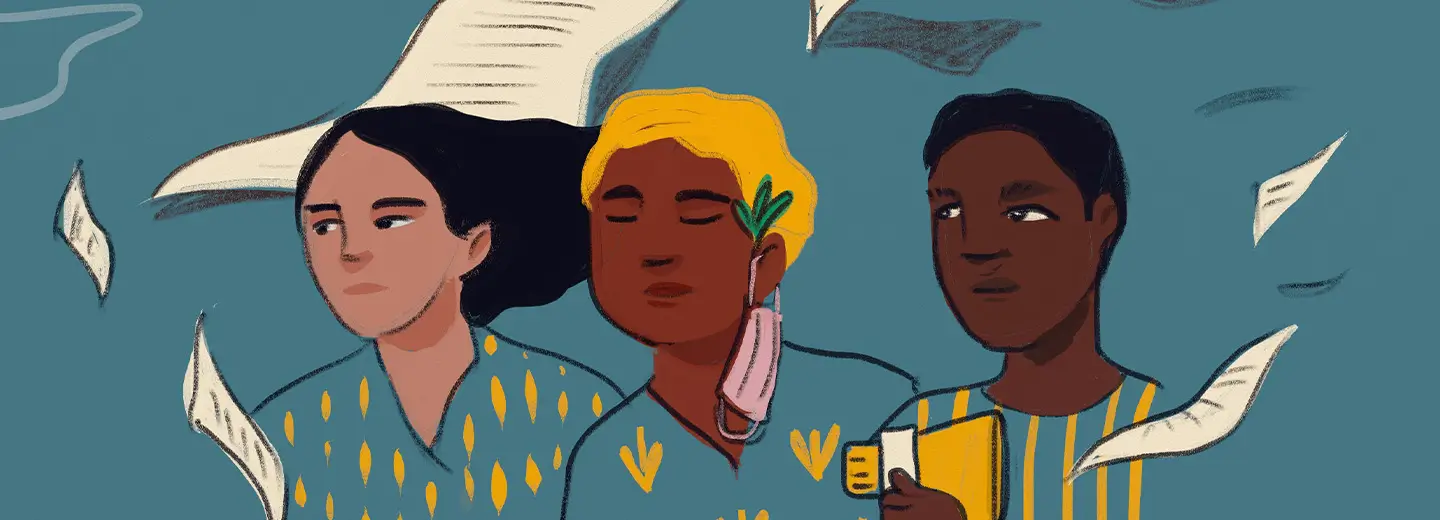
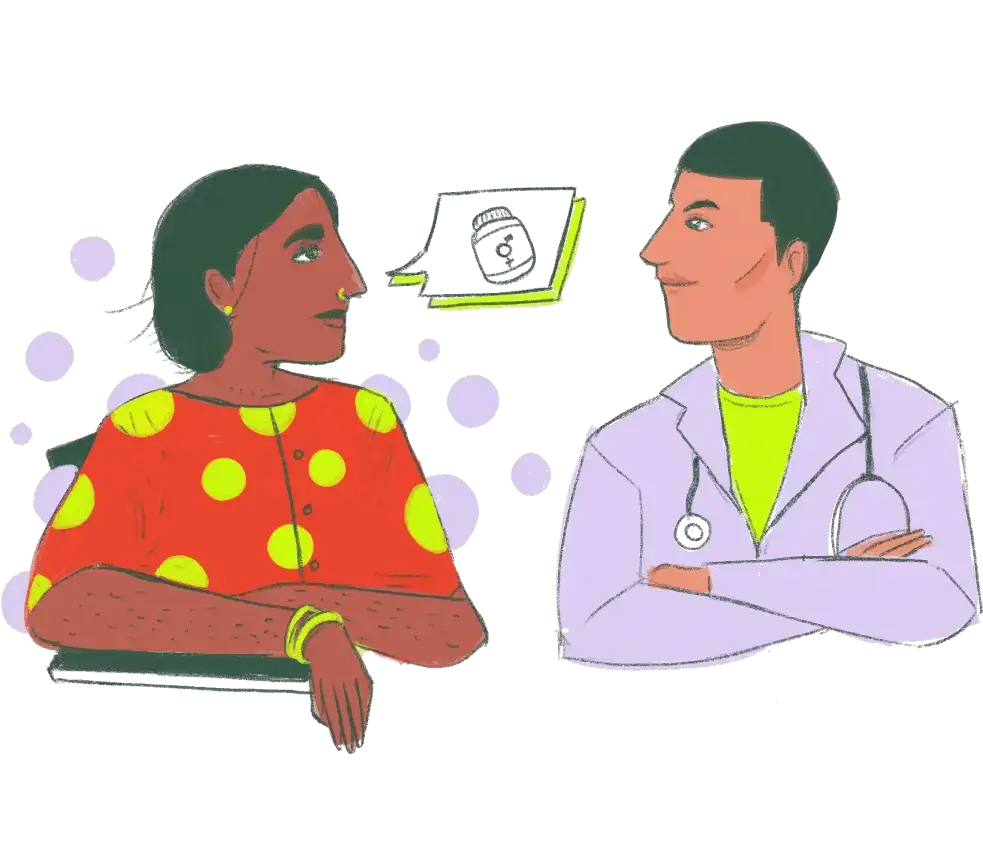
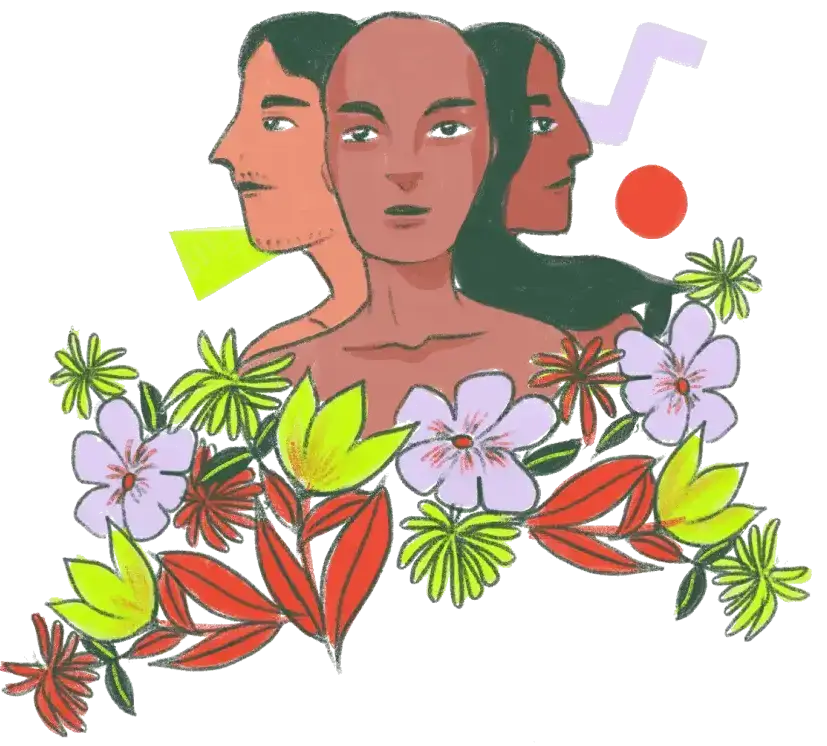
The development process was strongly collaborative. Shelani Palihawadana, a sexual and reproductive health and rights trainer, provided technical guidance throughout the content development. Medical doctors reviewed the booklet to ensure safety and accuracy, while translators worked carefully to adapt the material into Sinhala and Tamil without losing nuance or clarity. The illustrator played a critical role in producing inclusive and culturally appropriate visuals, significantly enhancing accessibility for readers with varying literacy levels. Each contributor extended their support beyond formal roles, driven by a shared commitment to community wellbeing.
The key outcomes of this initiative are both tangible and relational. The booklet was produced in digital and printed formats and made available in three languages English, Sinhala, and Tamil ensuring broader reach across diverse communities. Community members reported increased understanding of their bodies, improved confidence in making health-related decisions, and a sense of validation in seeing their experiences reflected in an authoritative health resource. The booklet has also been used as a reference tool during community discussions and trainings, strengthening peer education efforts.
Beyond the immediate resource, the initiative demonstrated the effectiveness of community-led knowledge production. It reinforced the value of partnerships between activists, health professionals, and creatives in addressing systemic gaps. Overall, Right to Heal contributes to improved access to accurate sexual and reproductive health information and affirms the importance of dignity, informed choice, and rights-based approaches for gender-marginalized communities in Sri Lanka.
This journey strengthened both my technical and practical understanding of sexual and reproductive health and rights, while also deepening my skills in project planning, management, and financial oversight. It reinforced the importance of careful coordination between content development, budgeting, and timelines especially when working on community-responsive initiatives.
If approached again, one key adjustment would be to align content decisions more closely with the allocated budget. In responding to community requests, the project expanded beyond its original scope. However, this challenge was addressed through collective goodwill, as writers, translators, medical reviewers, and the designer generously contributed their time and expertise on a voluntary basis. Their support demonstrated the power of shared commitment in advancing community-centered work.
What I hope readers take away from this experience is that meaningful change is possible when work is grounded in care, collaboration, and intention. When there is genuine goodwill and trust, even resource-limited initiatives can lead to impactful outcomes. I invite others to imagine what becomes possible when communities, professionals, and advocates come together to create knowledge that heals and empowers.